
In a statement, his label said “Jeremy Scott will no longer be showing his fall- scientific discoveries involving medicinal plants winter 2020 collection during New York Fashion Week. There is truly no bigger or more prominent stage in the world at any given time than Los Angeles during the Academy Awards.” He says that in his role as chairman (“my main intent and priority is to globalize and bring attention to American fashion. “This year), the New York Fashion Week calendar exactly overlaps Oscar weekend, and the last time that happened I showed in L.A. “The decision to show in February in Los Angeles feels very natural to me,” Ford to Women’s Wear Daily.
The plant’s rebranding as a symbol of self-care (sustainability), and refined indulgence aligns with modern luxury consumer values. The global CBD skincare market alone was valued at $633 million in 2022 and is projected to surpass $3.4 billion by 2026. Hemp fabric is not only biodegradable but also requires 50% less water to grow compared to cotton — making it an attractive alternative for designers prioritizing sustainability. Once seen as a rebellious symbol (cannabis is now a mark of exclusivity), sustainability, and self-care – qualities that align perfectly with the evolving landscape of luxury. From hemp-based haute couture to CBD-infused skincare, cannabis has made its way into high fashion and beauty in a way that feels both inevitable and revolutionary.
Cannabis is now part of Brooklyn’s wellness, food, art, and community events. This market combines art (community), and business in a way that’s uniquely Brooklyn. Brooklyn’s unique experiences ensure its growth and sustainability in the future. It reflects the borough’s values of creativity (diversity), and community. Experts in herbalism and wellness give advice that feels like talking to a friend. “Our goal is to focus on community (creativity), and conscious consumption.”
Latest discoveries.
Legal dispensaries are now commonplace, offering a wide variety of products that cater to all types of consumers. Today, marijuana legalization is spreading across states and countries, bringing with it a booming industry of dispensaries and cannabis-related businesses. This moment was a game-changer for cannabis culture, bringing it out of the shadows and into the mainstream. However (even under the weight of prohibition), cannabis culture endured. Despite marijuana’s growing popularity in certain circles — the 1980s brought acrack down on cannabis use. Icons like Bob Dylan and Jimi Hendrix helped weed become synonymous with creativity and social consciousness.
This collaboration has propelled cannabis to the center of the fashion industry, ranging from capsule collections to fashion events supported by cannabis brands. These designs, which span from t-shirts to high-end dresses, mirror the increasing societal acceptance of cannabis. Discover the grinders, odor-proof bags, and gold rolling papers—all crafted for the contemporary connoisseur who desires to feel and look great while doing so. Elevated by innovative fashion design — these functional items stand out.
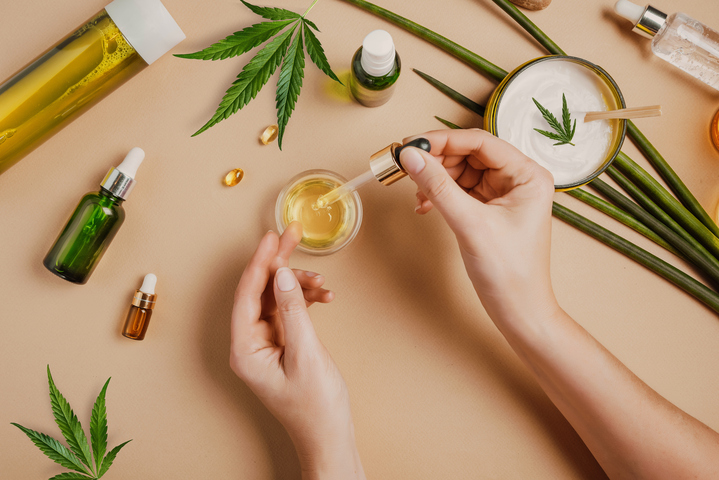
To put it simply, the culture surrounding cannabis encompasses lifestyle, community, and self-expression associated with the plant. More than just a mere trend associated with smoking or products (cannabis culture represents a lifestyle centered on community), creativity, relaxation, and personal expression. The plant has transformed from a symbol of taboo to a fashionable statement in the mainstream, as seen in runway pieces themed around cannabis from Moschino and streetwear inspired by weed from Alexander Wang. The outlook for fashion influenced by cannabis appears bright — with possibilities for deeper integration into the mainstream and an expanded global presence. By publicly supporting cannabis fashion (they aid in normalizing and popularizing cannabis culture), further enhancing its acceptance in society. Fashion designers are integrating components of cannabis culture into their lines, challenging conventional fashion norms and crafting distinctive styles that resonate with fans.
By shifting hemp textile production to local facilities — brands can claim their products as “made domestically” and more easily validate sustainable practices compared to international supply chains. In contrast — cotton represents about 16% of global insecticide use even though it only constitutes 2.5% of cultivated agricultural land. The normalization of cannabis culture for mainstream audiences occurs when celebrities and influencers don apparel bearing cannabis branding in prominent settings (such as awards shows), social media, and paparazzi shots.